
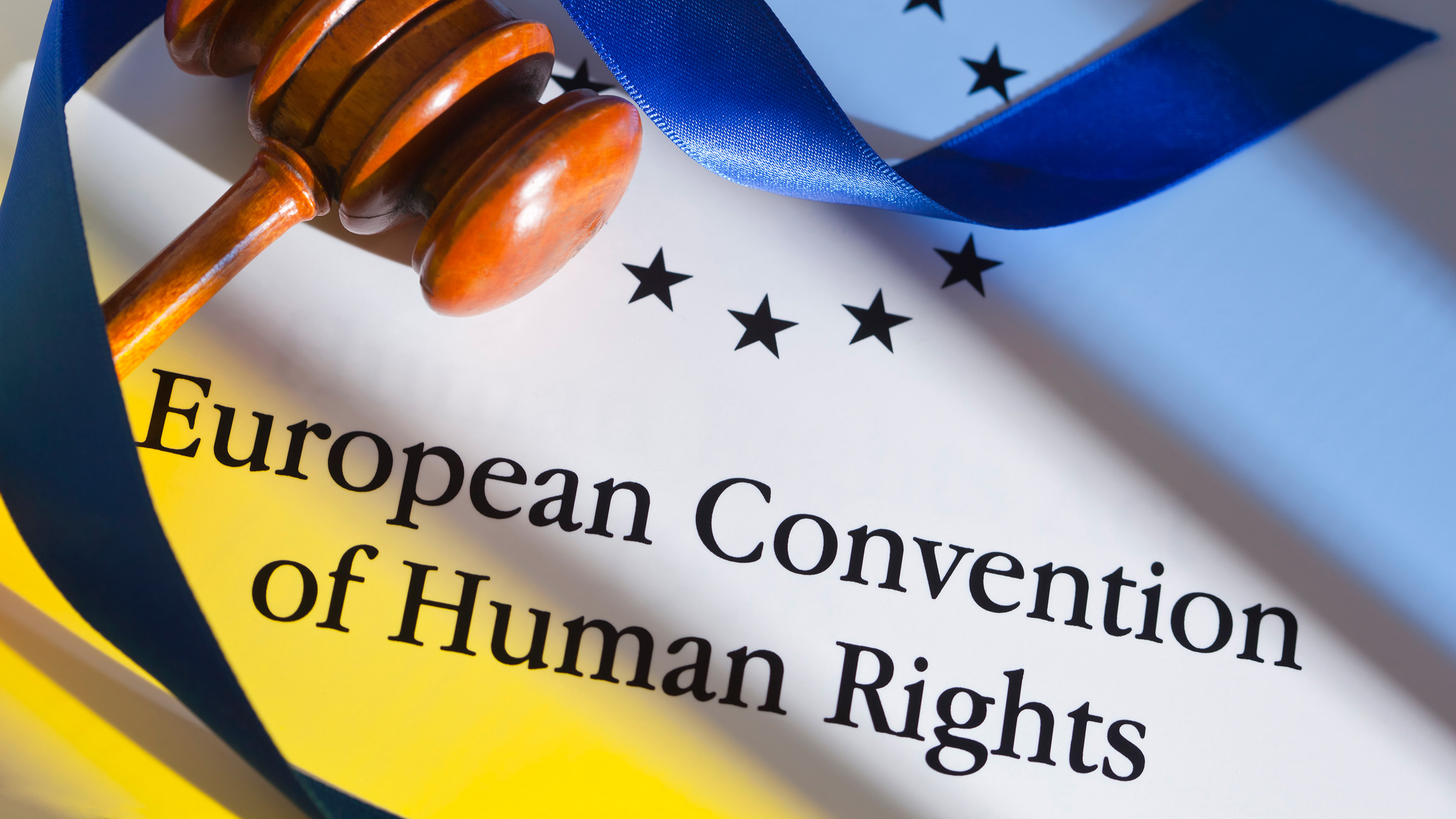
In today’s interconnected world, the preservation and advocacy of human rights are essential pillars of a just and equitable society. For the United Kingdom, the European Convention on Human Rights (ECHR) stands as a beacon of protection and accountability, guiding the nation towards a path of fairness and dignity for all its citizens and residents. However, the recent discussions around the UK’s potential withdrawal from the ECHR have raised alarm bells among advocates, scholars, and global observers alike. This article delves deeper into the ramifications of such a drastic decision and emphasizes the critical importance of the UK’s continued allegiance to the ECHR.
**Significance of the ECHR
The ECHR, enshrined in the Human Rights Act 1998, has played a pivotal role in sculpting the UK’s human rights landscape. Its principles have woven a tapestry of legal safeguards, ensuring that the rights of individuals are upheld and respected by the government and its institutions. By aligning domestic laws with international human rights standards, the ECHR has fortified the UK’s commitment to justice, equality, and dignity for all. Any departure from this vital framework would not only erode the core values of human rights but also unravel the intricate web of protections that shield the most vulnerable members of society.
**Implications of UK’s Withdrawal
The decision to sever ties with the ECHR carries profound implications that reverberate far beyond the borders of the UK. At its core, such a move would signify a retreat from the principles of human rights, casting a shadow of doubt on the UK’s dedication to upholding fundamental freedoms. Internationally, the UK’s withdrawal would send shockwaves through the global human rights community, signaling a weakening of resolve in the face of authoritarian regimes and human rights violations. The moral authority and compassionate reputation that the UK has painstakingly cultivated over the years would be jeopardized, tarnishing its image as a beacon of justice and fairness.
**Consequences on the UK’s Domestic Human Rights Landscape
1. **Undermining the Rule of Law**: The ECHR serves as a bulwark against arbitrary state power, ensuring that the rule of law prevails over the whims of the government. Withdrawal from the Convention would open the floodgates to unchecked authority, allowing for potential abuses and overreach that threaten the very fabric of democracy.
2. **Compromising Human Rights Protections**: Vulnerable individuals and marginalized communities rely on the robust legal framework provided by the ECHR to seek redress and justice. Disengagement from this framework would leave them exposed and defenseless, with no recourse to challenge injustices or seek accountability.
3. **Impact on International Cooperation**: As a global leader in promoting human rights, the UK’s departure from the ECHR would strain its relationships with international partners, hindering collaborative efforts to address human rights violations and uphold shared values of dignity and freedom.
4. **Jeopardizing the UK’s Reputation**: Reputation, once tarnished, is not easily restored. The withdrawal from the ECHR would cast a dark shadow on the UK’s image as a champion of human rights, eroding trust and credibility on the global stage. The hard-won respect and influence that the UK commands in shaping global human rights discourse would be jeopardized, placing a question mark on its commitment to fostering a more just and equitable world.
In conclusion, the repercussions of the UK’s withdrawal from the ECHR would be both profound and enduring. It is imperative for the UK to heed the warning signs and reconsider this ill-advised course of action. By reaffirming its commitment to the ECHR and the values it upholds, the UK can reclaim its moral authority, reinforce its compassionate reputation, and stand as a stalwart defender of human rights on the global stage.